
Suhail Tayyeb
-
Clinical Assistant Professor
Schack Institute of Real Estate
Education
BS, University of Wisconsin - Madison
MS, London Business School - Sloan Fellow
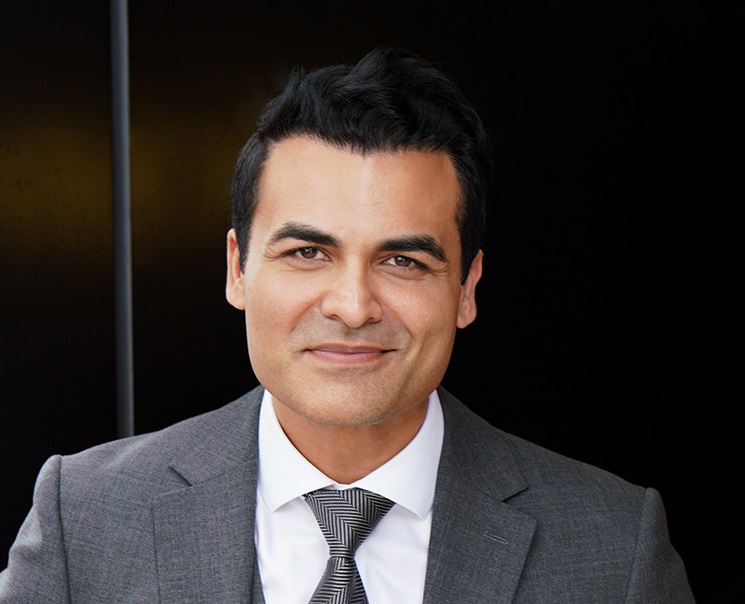
Suhail Tayyeb is a Clinical Assistant Professor at the Schack Institute of Real Estate at the NYU School of Professional Studies and Director of the Center for the Sustainable Built Environment. He is a real estate developer, investor, and educator with extensive experience in real estate development, investment, and valuation.
His teaching and academic interests span sustainable real estate, urban economics, ESG, and the adaptation and repurposing of the built environment. His broader research, writing, and industry engagement also examine data centers and AI infrastructure, particularly the ways power availability, land, permitting, capital, regulation, and community considerations shape development and investment decisions.
At NYU, Suhail chairs the Annual Conference on Sustainable Real Estate and the Data Center & AI Infrastructure Forum, which convene leaders from real estate, infrastructure, energy, finance, government, and academia. His research has received university and NSF-supported funding, including work examining transparency in sector-specific sustainability metrics. He has also studied the use of artificial intelligence and flipped-classroom models in real estate education.
Suhail writes and speaks on real estate, sustainability, data centers, and AI infrastructure. He is a contributor to Commercial Observer, where his work examines the development, energy, regulatory, economic, and community dimensions of data center growth. His teaching emphasizes applied learning and the intersection of real estate markets, infrastructure, technology, and public policy.
Before joining NYU full time, Suhail worked in real estate development, investment, and valuation. He holds a Master’s in Leadership and Strategy as a Sloan Fellow from London Business School and a bachelor’s degree in Electrical and Computer Engineering and Computer Science from the University of Wisconsin–Madison.
Courses
-
Green Building & Sustainable Development
DEVE1-GC2105
-
Global Cities: Europe, Middle East, Africa
DEVE1-GC3200
-
Urban Real Estate Economics
REBS1-UC1060
-
Environmental, Social and Corporate Governance
REBS1-UC1065
-
Data Centers Demystified
REDV1-CE2000