Experiential learning
Innovation Three Ways: The Advanced Publishing Institute at the 2026 Frankfurt Book Fair
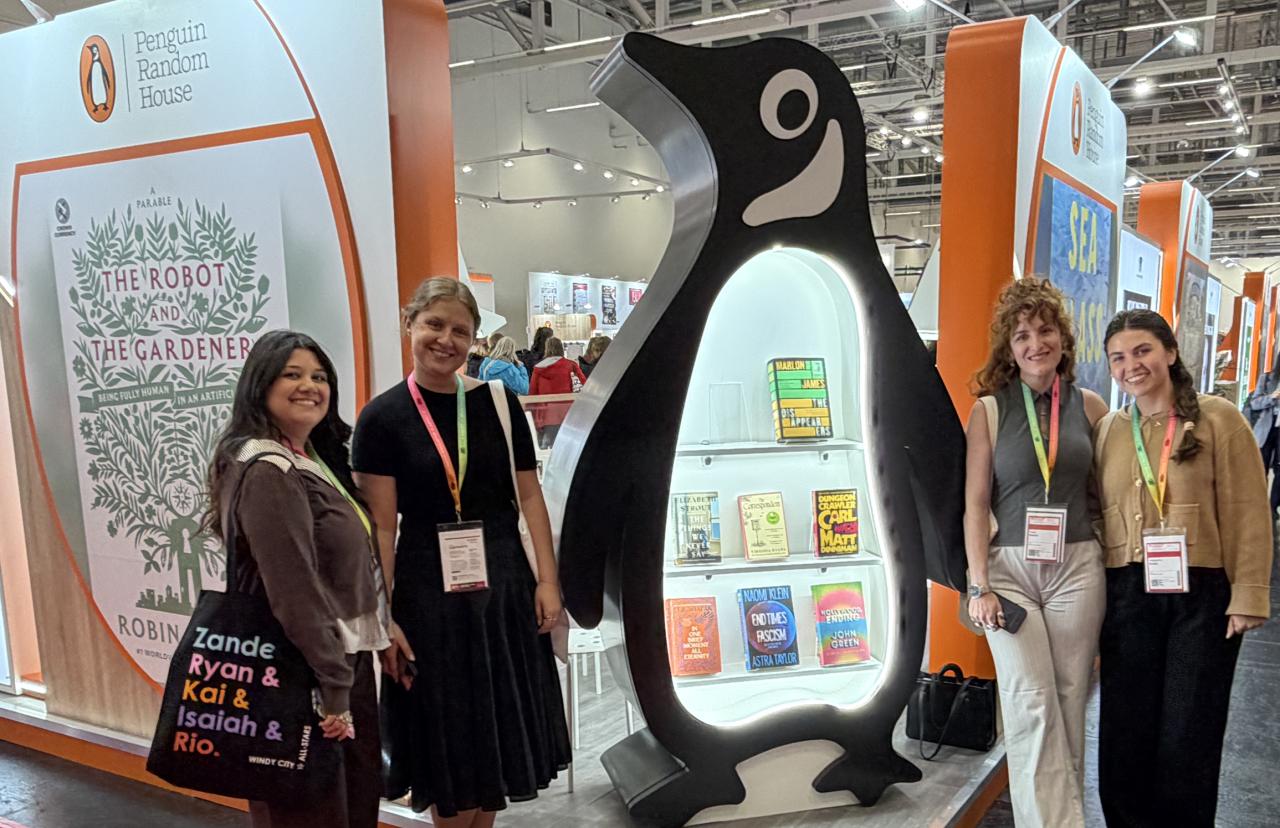
<p>As a student in the NYU MS in Publishing program, I was lucky enough to be one of four students invited to attend the Frankfurt Book Fair this year. In addition to helping out at panels, presentations, and Publishing Perspectives, I was invited to sit in and write about one of the most exciting panels at Frankfurt in my opinion: a lightning round on innovation. This was presented by the NYU Advanced Publishing Institute (NYU API), an executive education program, now in its fourth year, that will be hosted on the NYU campus on January 6–7, 2027.</p>
<p>The NYU API is all about new strategies and best practices in publishing and media, so it was only fitting that it brought together three publishing leaders to discuss what innovation really looks like in an industry that’s constantly changing.</p>
<p>The panel,<i> Innovation and Experimentation in Publishing: 3 Global Companies, 3 Strategies for Success,</i> featured Mary McAveney, President and CEO of Abrams Books; Keith Riegert, President of Stable Book Group; and Dominique Raccah, Publisher and CEO of Sourcebooks. While each speaker approached innovation differently, they all emphasized the importance of being open to change and finding new ways to move the industry forward.</p>
<p>McAveney kicked off the panel by discussing how Abrams has continued to evolve throughout its history. She highlighted the importance of building on a publisher’s existing strengths while also recognizing opportunities to reach new audiences. From developing successful books into larger franchises (the<i> Diary of a Wimpy Kid </i>series, for example) to exploring new ways of connecting directly with readers, her presentation showed how even well-established publishing companies need to continue adapting. Innovation doesn’t always mean completely reinventing a business; sometimes, it’s about taking what already works and finding ways to make it even better.</p>
<p>Next, Riegert shifted the conversation to AI. He discussed how Stable Book Group has been using tools like Claude to identify inefficiencies within the company and develop solutions to everyday challenges. What I found particularly interesting was that the goal isn’t necessarily to keep using AI forever. Instead, his team is using it to build tools and automate processes that can eventually function on their own, without needing continued access to AI or engineers to maintain them. With so much uncertainty surrounding the future cost of AI, Riegert emphasized the importance of creating solutions that are both practical and sustainable. His presentation offered a refreshing perspective on AI, focusing less on the technology itself and more on what it can actually help publishers accomplish.</p>
<p>Raccah wrapped up the panel with a discussion about curiosity, experimentation, and the importance of asking better questions. One of her biggest points was that the greatest mistake companies can make when it comes to innovation is thinking they need to know the answer before they begin. Instead, she encouraged publishers to approach their business as laboratories, where they can test ideas, learn from mistakes, and adjust their strategies along the way. Whether it’s considering how to approach an author relationship differently or exploring what an existing business could become, curiosity is what creates new possibilities.</p>
<p>Throughout the panel, each speaker approached the same question differently. For Abrams, innovation means continuing to build on an established legacy. For Stable Book Group, it means using emerging technology to make everyday operations more efficient. And for Sourcebooks, it means embracing experimentation and recognizing that success isn’t always guaranteed.</p>
<p>The panel was a reminder that there isn’t one right way to innovate in publishing. The industry is constantly evolving, and sometimes the most important thing publishers can do is remain curious, ask better questions, and be willing to try something new. It was a fitting conversation for the Frankfurt Book Fair and a great example of the kinds of ideas and discussions the NYU Advanced Publishing Institute brings to the industry.</p>