
Experiential learning
CGA Students Present Findings to UN Commission
Consulting Practicum with Global Network of Women Peacebuilders (GNWP)
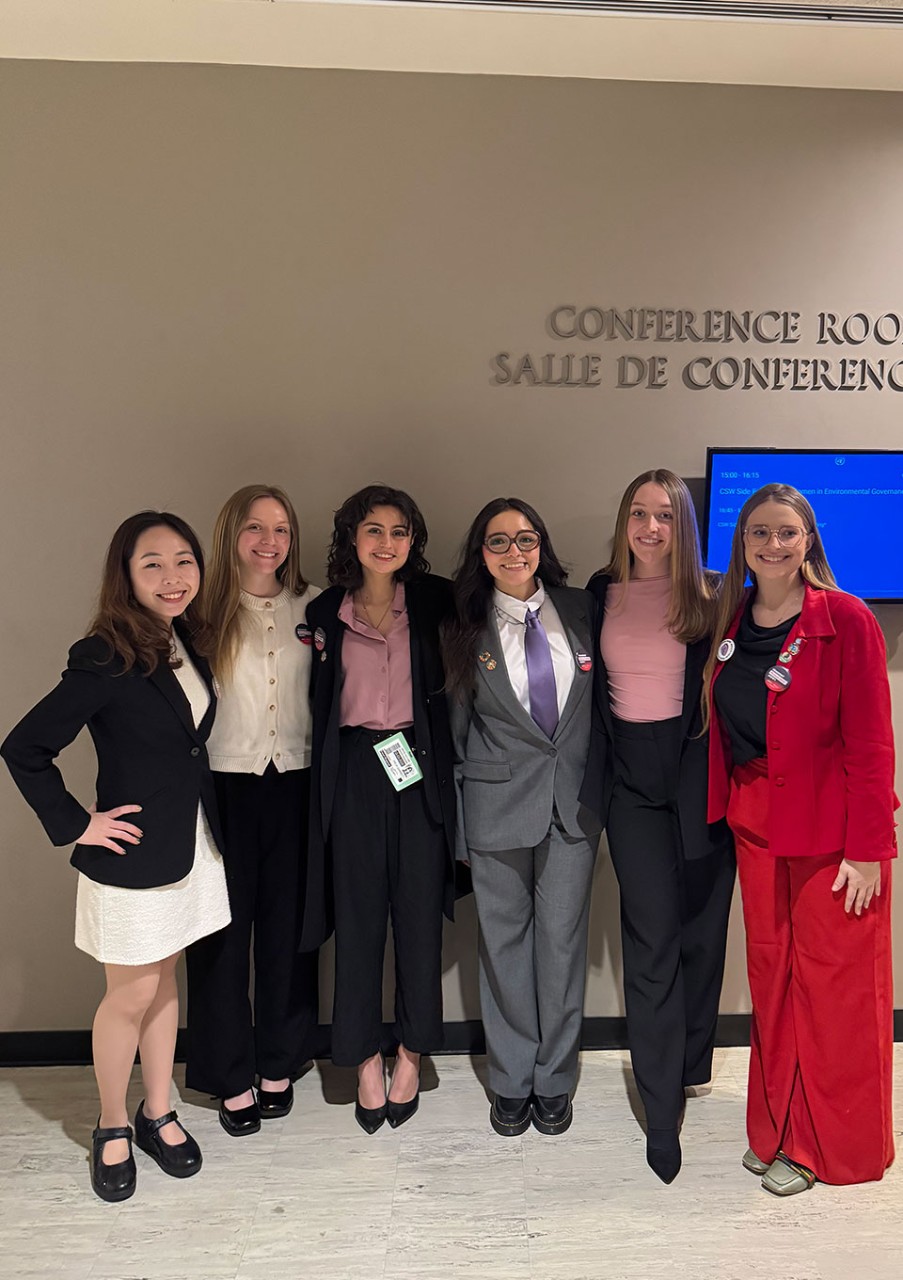
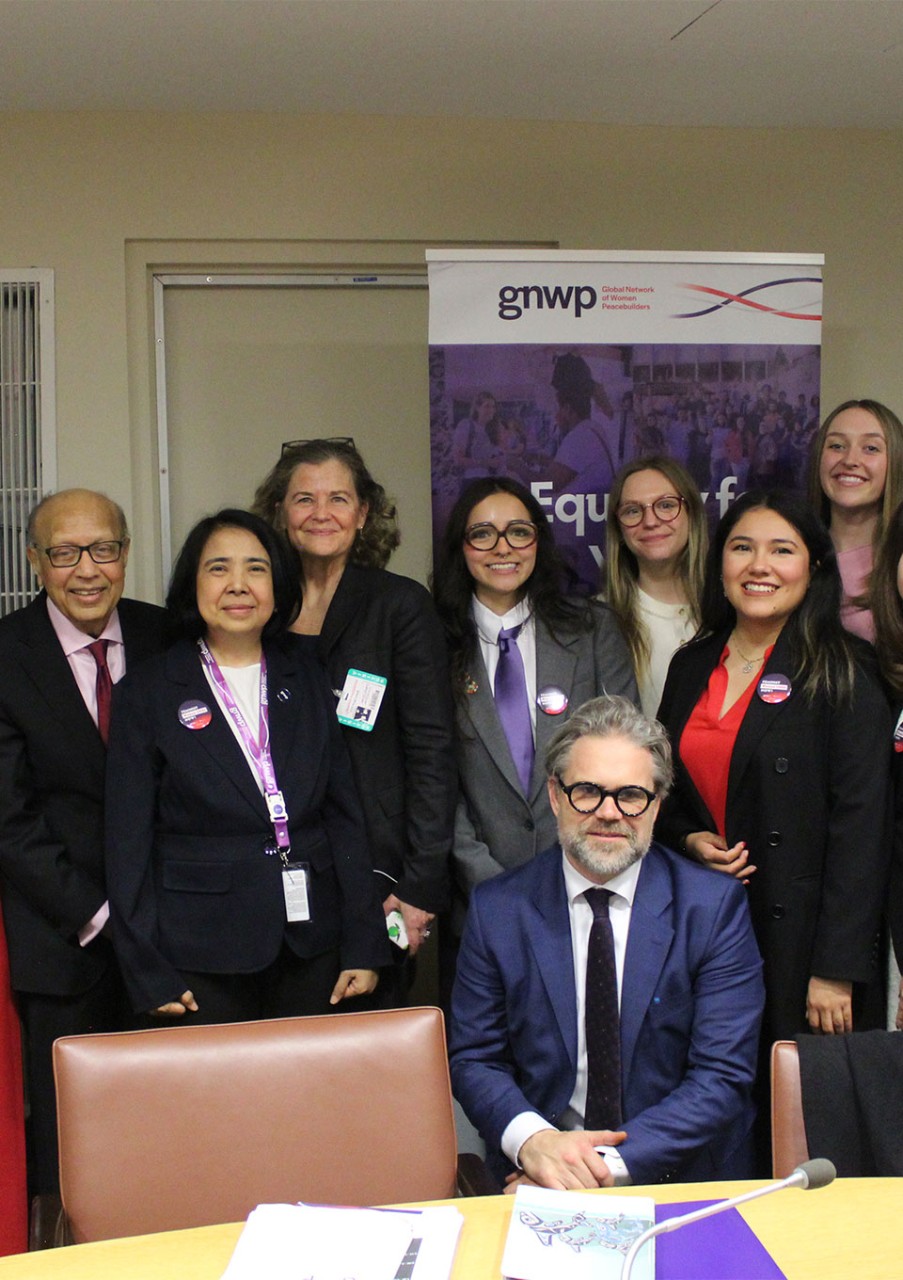
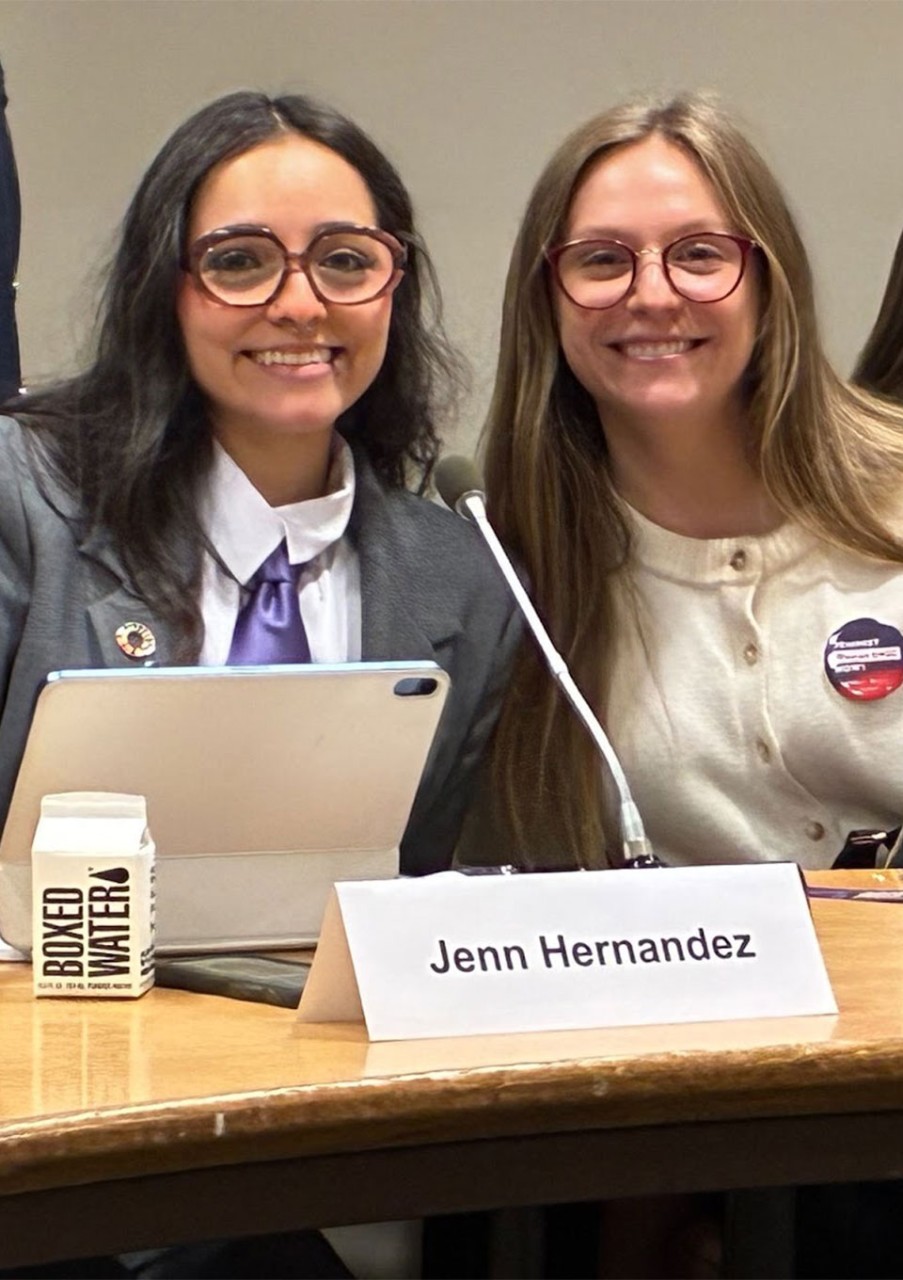
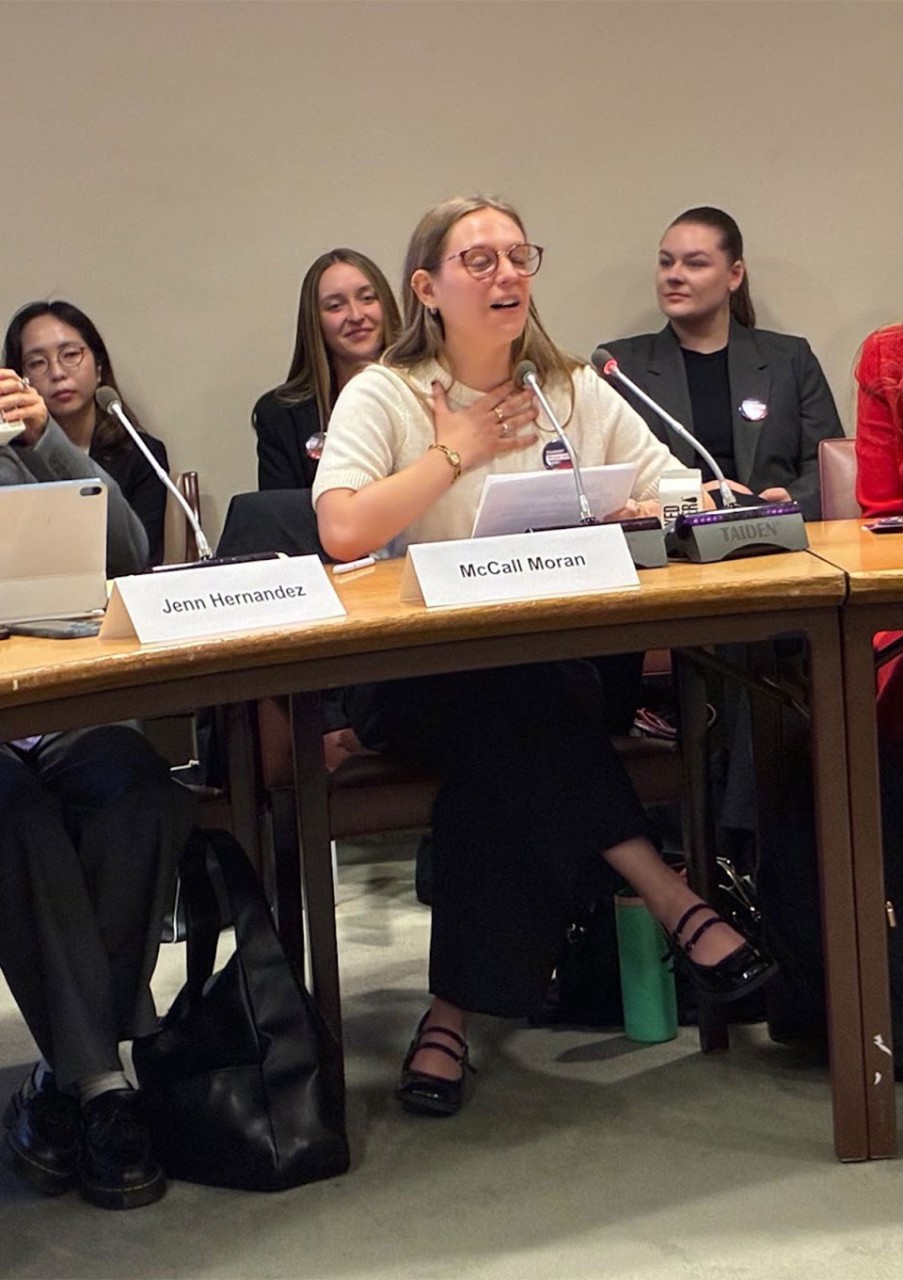
<p><span class="p-body">On March 12, 2026, CGA consulting practicum students who worked with the Global Network of Women Peacebuilders (GNWP) presented their research on the challenge of selecting a woman UN Secretary-General (UNSG) during the annual meeting of the UN’s Commission on the Status of Women.</span></p>
<p>An <a href="https://gnwp.org/next-un-sg-feminist-woman/#tracker">interactive global tracker</a> produced by the students, presented their analysis of official positions of UN Member States regarding the selection of a woman as the next UN secretary-general. This tracker was described by the Deputy Permanent Representative for Norway, Ambassador Andreas Løvold at the March 12th meeting as “very impressive and methodologically sound work” because it is an accessible way to visualize levels of support for a woman secretary-general.</p>
Participants Analyze How Qualifications of Women Candidates Compare With Male Counterparts
<p>The tracker shows that 28 countries have expressed emphatic, or very strong support, providing concrete action proposals for improving the chances that a woman will be selected. 80 countries expressed strong support; 73 took an indirect/implied position, acknowledging gender without explicitly advocating for a woman secretary-general, and three are opposed, some of them having nominated a man for the role already. </p>
<p>Research on UN regions and interest clusters such as the G20 or the conservative ‘Geneva Consensus’ shows that regions that average higher levels of gender equality have been more vocal than others in supporting a woman secretary-general.</p>
<p>Research on the qualifications of past secretary-general candidates shows that women candidates in 2016 had similar years of government leadership experience as men. However, they had significantly more experience in international organizations, civil society, and the private sector than their male counterparts. Research on public attitudes was conducted via a global survey that gathered 212 responses across 44 countries, which found overwhelming public support for both a woman and a feminist secretary-general. Notably, support for a feminist secretary-general surpassed even support for a woman secretary-general, signaling that the public wants a leader who will advocate for women’s rights. </p>
<p>The researchers were Jenn Hernandez, Erin Spellman, Tamao Chika, Adama Balde, McCall Moran, Sofia Arnold, Aalia Garett, and Carolina de Almeida Pernambuco Moron. At the GNWP, the research was supported by Claudette Segura, Programme Officer for Latin America, and a former CGA student.</p>
<p> </p>
<p>Brief articles about the findings of the other research projects have also been published:</p>
<ul class="p-list">
<li><p><a href="https://passblue.com/2026/02/10/when-will-women-be-considered-good-enough-the-race-to-lead-the-un/">When Will Women Be Considered Good Enough? The Race to Lead the UN</a></p>
</li>
<li><p><a href="https://www.justsecurity.org/126730/next-un-secretary-general-woman/">As the UN Seeks Its Next Secretary-General, a Growing Number of Countries Favor a Woman for the Post</a></p>
</li>
<li><p><a href="https://passblue.com/2026/01/27/whos-afraid-of-the-f-word-the-next-un-leader-must-be-a-woman-and-a-feminist/">Who’s Afraid of the F-Word? The Next UN Leader Must Be a Woman and a Feminist</a></p>
</li>
</ul>
<p>The Permanent Missions of Norway, Brazil, Mexico and Colombia sponsored this event and are at the forefront of pushing gender as a priority in the agenda of the UN. Susana Malcorra, a 2016 candidate for SG, shared insights on the political dynamics behind the selection process. Maira Folly of Plataforma CIPÓ, a Brazilian think tank, shared the campaign strategy of the coalition ‘One for Eight Billion’, which is advocating for a transparent and more democratic selection process. </p>