
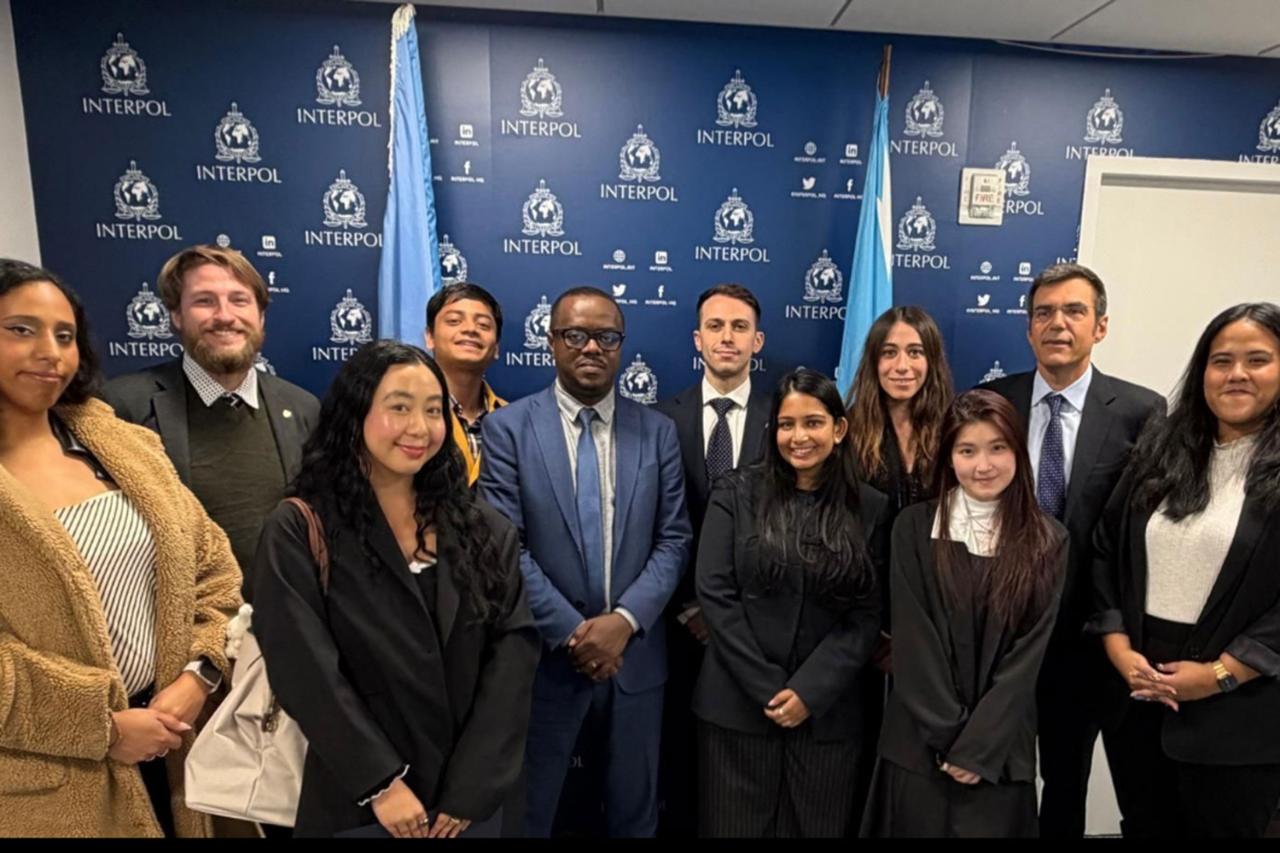
<p><span class="p-body">Under the guidance of Adjunct Professor David Donat Cattin, the Consulting Practicum on the International Protection of Common Heritage brought together NYU SPS Center for Global Affairs students from both the <b><a href="/content/sps-nyu/explore/degrees-and-programs/ms-in-global-affairs.html">MS in Global Affairs</a></b> and <b><a href="/content/sps-nyu/explore/degrees-and-programs/ms-in-global-security-conflict-and-cybercrime.html">MS in Global Security, Conflict, and Cybercrime</a></b> for a semester-long project, informed by consultations with the Wildlife Justice Commission (WJC) and other relevant institutions.</span></p>
<p><span class="p-body">The practicum addressed the rise of transnational environmental crimes–including wildlife trafficking–which are threatening ecosystems and natural habitats as well as indigenous people’s rights and the fragmented legal frameworks currently available to fight them and their financial criminal dimension. Under Donat Cattin’s guidance, students analyzed legal gaps and learned from advocacy efforts for stronger international cooperation through a proposed Fourth Additional Protocol to the UN Convention Against Transnational Organized Crime (UNTOC, also known as the “Palermo Convention”).</span></p>
<p><span class="p-body">Between September and December 2025, the team conducted in-depth legal research, policy analysis, and consultations with experts from the WJC and other relevant institutions, including INTERPOL’s Permanent Missions to the UN in New York and Vienna. The work of the students culminated in the creation of a comprehensive Policy and Options Paper, a document designed to support institutional advocacy within the UN system and provide useful options towards global decision-making on future treaty negotiations.</span></p>
<p><span class="p-body"><span class="p-body-large-bold">Confronting Shortcomings in Addressing Organized Environmental Crime</span></span></p>
<p><span class="p-body">The students’ analysis focused on showing how current international instruments, such as the 1972 UNESCO Convention concerning the Protection of the World Cultural and Natural Heritage, fall short in addressing long-term environmental harm caused by transnational organized crime. Their proposed solutions drew on the principle of intergenerational equity, arguing that crimes affecting biodiversity and wildlife are not only offenses against nature but also against future generations.</span></p>
<p><span class="p-body">Importantly, their work is positioned to have a real-world impact, as the Policy Paper has been published just prior to the second session of the UN Intergovernmental Expert Group on Crimes that Affect the Environment, scheduled from February 24-26, 2026. This timing is crucial, as UN Member States begin to assess the feasibility and merit of negotiating a binding protocol under the "Palermo Convention."</span></p>