
Experiential learning
CGA Students Collaborate with the UN's CTED
MS-GSCC Students Work with the UN's Counter-terrorism Executive Directorate to Use Tech to Track Terror Threats
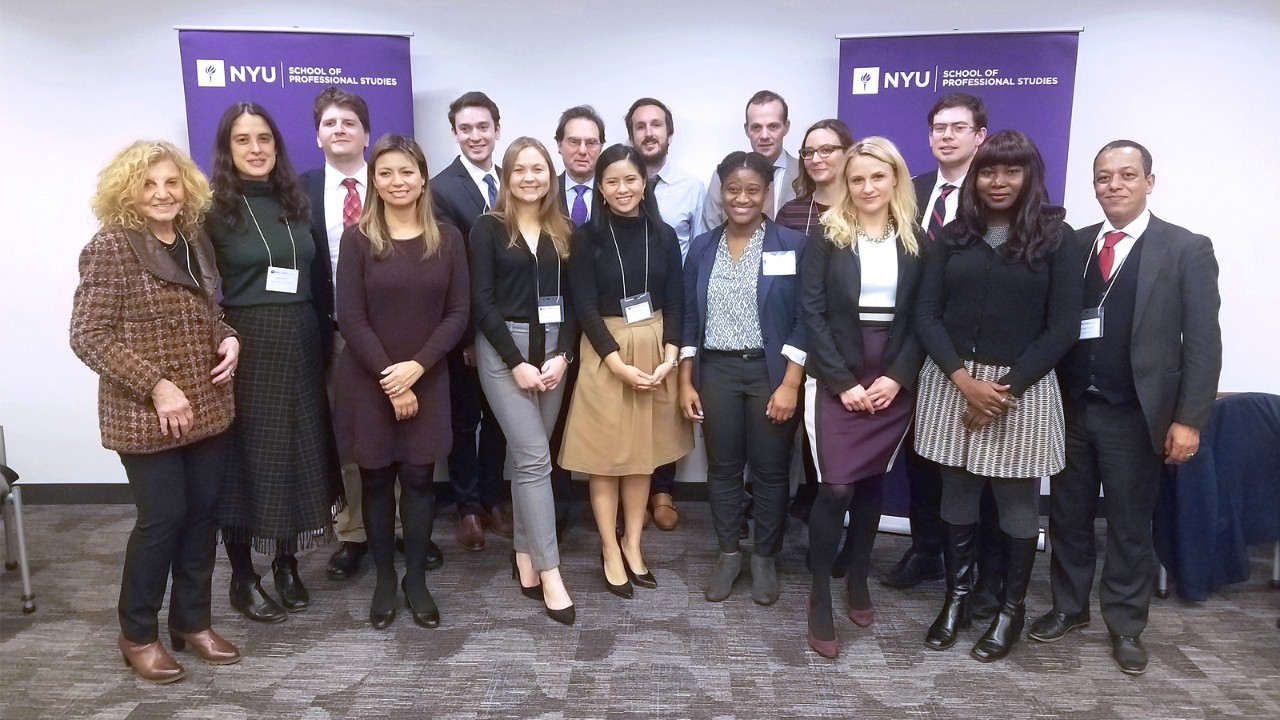
<p><span class="p-body">Over the last eight years, NYU SPS has collaborated closely with the Counter-terrorism Executive Directorate (CTED) of the United Nations, allowing <a href="/content/sps-nyu/about/academic-divisions-and-departments/center-for-global-affairs.html" target="_blank">Center for Global Affairs (CGA)</a> students to get hands-on experience with this vitally important organization.</span></p>
<p><span class="p-body">CGA students have completed 16 projects for CTED over this period on various terrorism and counter-terrorism topics, including ISIS' use of social media; how UN member states deal with terrorist fighters returning from Iraq and Syria; how the UN can work with the private sector and academic institutions to track emerging terrorist threats; the role of technology in countering terrorist threats; and the rise of right-wing terrorism and member state responses. </span></p>
<p><span class="p-body">During these engagements, students prepare project deliverables shaped by the UN’s needs. The NYU SPS CGA team and students have contributed to and written papers, held workshops and conferences, delivered briefings, and built processes for collaborating with non-UN experts, firms, and state political actors. These deliverables have shaped UN Security Council resolutions, made their way into CTED briefings for member states and other UN bodies, and helped CTED keep abreast of emerging trends and disseminate these trend reports to their global network of experts.</span></p>
<p><span class="p-body">As just one example, the objective of a spring 2022 semester assignment was to construct alternate scenarios for the future of Afghanistan. The scenarios were structured around internal, regional, and global drivers of change and depicted three distinct futures ranging from a consolidation of Taliban governance to a fragmentation of the state to state failure. Each scenario described a different terrorism landscape and the types of counter-terrorism challenges CTED and UN members would face in each scenario. The research was based on a thorough search of the literature, including an examination of Afghan social media and a half-day workshop of 20 experts from around the world.</span></p>
About NYU SPS Practicums
<p><span class="p-body">Global consulting practicums are a signature part of the learning experience at <a href="/content/sps-nyu/about/academic-divisions-and-departments/center-for-global-affairs.html">NYU SPS’ Center for Global Affairs</a>. Collaborating with top organizations such as the United Nations, the US State Department, non-governmental organizations, and private firms, NYU SPS CGA offers practical, hands-on learning experiences in international policymaking through its global consulting practicums.</span></p>
<p><span class="p-body">Under faculty supervision, the full-credit-bearing practicums have become a key element in the program’s commitment to bridging classroom learning with practical applications.</span></p>
The NYU SPS Learning Experience
<p><span class="p-body">Every NYU SPS degree student can build a portfolio of work through hands-on learning experiences such as Real World projects, global field intensives, consulting practicums, internships, and capstone projects.</span></p>
<p><span class="p-body">To learn more about our hands-on learning experiences, please visit <a href="/content/sps-nyu/experience/how-youll-learn.html" target="_blank">How You’ll Learn</a> for more information.</span></p>